Where Learning Takes Shape: Exploring the Best Nursery Schools in Phaphamau, Prayagraj
A Parent’s Guide to Choosing a Safe, Nurturing, and Holistic Early Learning Environment for Your Child
Early childhood is a time of extraordinary growth. From birth to six years, children experience rapid development—emotionally, cognitively, socially, and physically. These formative years lay the foundation for future learning, confidence, and curiosity. For many parents, selecting a nursery school is the first major decision they make for their child’s educational journey. Those seeking the Best nursery schools in Phaphamau should understand the core elements that define meaningful early childhood education and how the right environment can shape a child’s personality for life.
Why Nursery Education Matters
Nursery school is often the first structured setting outside the home. Here, children take their early steps toward independence, communication, and social interaction. An effective nursery school does not rush children into academics. Instead, it focuses on play-based learning—allowing children to explore, imagine, question, and create in a natural, joyful manner.
During this stage, simple activities such as storytelling, drawing, building blocks, outdoor play, sensory games, and role-play contribute significantly to brain development. These activities help children understand the world, strengthen fine and gross motor skills, develop language abilities, and build emotional resilience.
Child-Friendly Campus and Environment
A warm, welcoming, and stimulating environment is essential for early learners. A nursery school should quickly feel like a second home—safe, colorful, and full of opportunities to explore and learn. Bright classrooms, fun décor, child-safe furniture, soft flooring, and visual learning materials help children feel comfortable and excited to begin their day.
Activity corners such as reading nooks, art stations, puzzle zones, pretend-play areas, and sensory tables give children choices and independence in their learning.
Outdoor Play: The Heart of Early Learning
Outdoor play is not just recreation—it is development. Running, climbing, balancing, cycling, and exploring nature strengthen physical coordination, fitness, and confidence. A well-designed nursery school should include:
- Safe and clean play areas
- Sand pits and sensory zones
- Slides, swings, balancing beams
- Grass lawns or open spaces
These outdoor experiences help children learn teamwork, sharing, communication, and problem-solving in natural settings.
Safety and Hygiene Standards
Safety is non-negotiable when choosing a nursery school. Since young children are sensitive and require constant supervision, a good school must maintain strict safety guidelines. These include:
- CCTV surveillance
- Secure entry/exit gates
- Trained support staff
- Sanitized washrooms
- Non-toxic toys and materials
- First-aid facilities
- Hygienic drinking and dining areas
- Regular cleaning and disinfection routines
Parents should feel confident knowing that their child is protected at all times.
Teachers Who Inspire Early Minds
Teachers play the most important role in shaping a child’s early experiences. Young children thrive when they receive affection, encouragement, and support from their educators. Nursery teachers must be:
- Patient and empathetic
- Trained in early childhood education
- Skilled in communication
- Sensitive to child psychology
- Creative in teaching methods
A good teacher recognizes individual strengths, supports emotional development, and fosters a sense of belonging. The teacher-to-student ratio should be small enough to ensure personalized attention.
A Curriculum That Encourages Holistic Growth
The curriculum in nursery school must be engaging, age-appropriate, and focused on overall development. It should introduce foundational concepts without pressuring children. A balanced nursery curriculum includes:
Cognitive Development
Puzzle solving, matching activities, storytelling, and early numeracy games.
Language Development
Songs, rhymes, phonics introduction, picture books, and conversation sessions.
Creative Development
Drawing, clay modeling, craft work, painting, and music.
Social and Emotional Development
Group activities, role-play, circle time, and expression exercises.
Motor Skill Development
Outdoor play, free movement, dance, fine-motor craft activities, and sensory experiences.
Play-based learning deepens understanding and makes learning enjoyable.
Balanced Use of Technology
While traditional hands-on learning is irreplaceable, modern nursery schools may use technology thoughtfully. Short digital stories, interactive screens, and visual learning aids can enhance attention and understanding. However, technology should only supplement—not dominate—the learning experience.
Healthy Parent–Teacher Collaboration
Nursery education works best when parents and teachers stay connected. Consistent communication ensures that parents understand their child’s progress, strengths, and areas of improvement. Good nursery schools share:
- Daily activity updates
- Monthly progress reports
- Photos/videos of classroom activities
- Parent–teacher meetings
- Workshops and open days
Strong collaboration helps build trust and ensures that children thrive both at school and at home.
Celebrations and Activity Days
Events bring joy and memorable experiences to early learning. Festivals, theme days, cultural celebrations, storytelling competitions, water play sessions, and art exhibitions help children express themselves, overcome shyness, and develop social confidence. These events also strengthen the parent–school community.
Transportation for Smooth Convenience
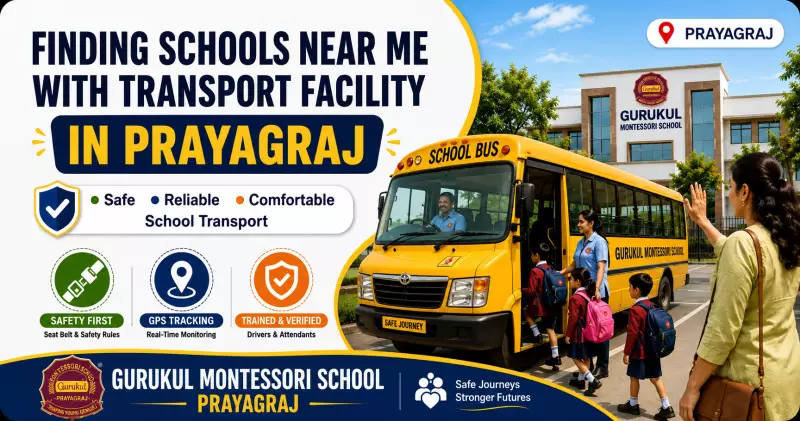
For many families, convenient and safe transportation is crucial. Nursery schools offering GPS-enabled buses, trained drivers, and female attendants ensure a safe commute.
School Visits: The Final Step Before Admission
Parents should always visit the school before enrolling their child. Evaluate:
- Cleanliness
- Classroom atmosphere
- Teacher interactions
- Safety measures
- Learning materials
- Outdoor facilities
- Student behavior and comfort
Your instinct matters. A school where children seem happy, relaxed, and engaged is a positive indicator.
Conclusion
Choosing a nursery school is choosing a starting point for your child’s future. It shapes how they perceive learning, express emotions, and interact with the world. A nurturing environment, well-trained teachers, strong safety measures, and a playful curriculum create the perfect foundation. For families seeking a trusted institution that focuses on holistic development and joyful learning, Gurukul Montessori School stands as a reliable and respected choice in the region.
Frequently Asked Questions (FAQs)
1. What age is appropriate for nursery school?
Most nursery schools accept children between 2.5 and 4 years old.
2. What skills do children learn in nursery school?
Children learn language, early numeracy, creativity, social behavior, emotional expression, and motor skills.
3. Why is nursery school important?
It prepares children for preschool and kindergarten by building confidence, curiosity, and social adaptability.
4. How can I select the best nursery school in Phaphamau?
Check the environment, safety measures, teacher qualifications, curriculum quality, and parent reviews.
5. Do nursery schools include outdoor play sessions?
Yes, outdoor activities are essential for physical development and social growth.
6. What qualities should nursery teachers have?
Patience, warmth, creativity, child psychology knowledge, and strong communication skills.
7. Is parent involvement necessary?
Yes, parent–teacher communication helps track development and support learning at home.
8. Are nursery activities academic in nature?
Activities are play-based and introduce early concepts in a stress-free manner.
9. How long is a typical nursery school session?
Most programs run 2–4 hours per day, depending on the school.
10. How do I know if my child is ready for nursery?
If your child shows curiosity, follows simple instructions, interacts with others, and adapts to new environments, they are ready.
Related Post




Recent post