Holistic Education School Prayagraj: Why Whole-Child Learning Matters
How a balanced approach to academics, values, and activities helps children grow into confident, capable adults
Every parent wants their child to do well in school, but a good report card is only part of the picture. Children also need emotional strength, social skills, creativity, and good character to succeed in life. This is where a balanced approach to learning makes a real difference. This guide explains what whole-child education means and how to recognise it when you visit a school.
What Is Holistic Education?
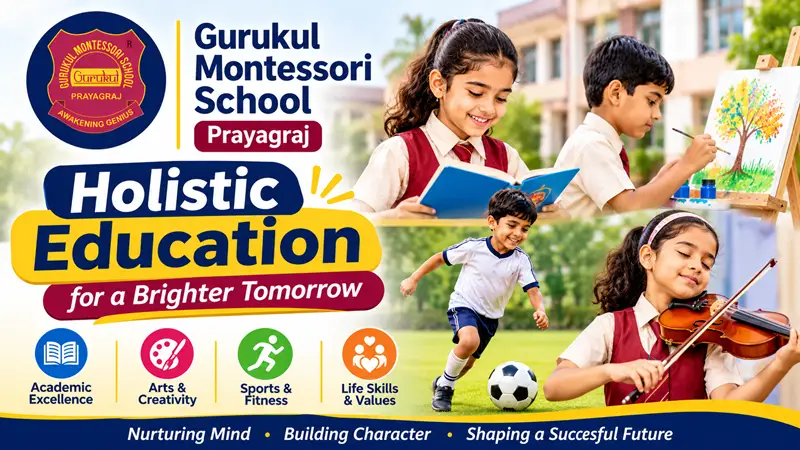
Holistic education looks at the child as a whole person rather than a set of exam scores. It develops the mind, body, emotions, and character together. Instead of focusing only on textbooks, it blends academics with sports, arts, life skills, and moral values. The aim is to raise children who think clearly, act kindly, and handle challenges with confidence.
The Core Elements of a Balanced Education
Academic understanding. Children learn concepts deeply, ask questions, and apply knowledge instead of memorising answers.
Physical development. Sports, yoga, and outdoor play keep children healthy, energetic, and focused.
Emotional wellbeing. Children learn to express feelings, manage stress, and show empathy towards others.
Creativity. Music, art, drama, and storytelling nurture imagination and self-expression.
Values and character. Honesty, respect, responsibility, and kindness become part of everyday school life.
Why It Matters for Your Child
Children who grow in a balanced environment tend to be more confident and more curious. They communicate better, work well in teams, and recover faster from setbacks. These habits also support academic results, because a happy and secure child is a better learner. As competition grows, skills like adaptability, creativity, and emotional intelligence are valued as much as marks.
How to Recognise the Right School
If you are looking for a holistic education school prayagraj, remember that the label alone is not enough. Many schools claim to offer all-round development, so look for evidence in daily practice. Visit the campus, speak with teachers, and watch how children behave in classrooms and on the playground. Joyful, engaged students are usually the best proof.
What to Check During a Visit
- Teachers who are caring, trained, and attentive to each child
- A timetable that includes sports, arts, and activity periods
- Safe, clean classrooms and secure play areas
- Opportunities for events, clubs, and community service
- Clear communication with parents about progress
- A calm, respectful atmosphere among students and staff
The Parent's Role at Home
Education works best when school and home support each other. Encourage your child's interests, listen to their worries, and praise effort rather than only results. Limit screen time, share meals together, and give them time to play. Small daily habits at home strengthen what children learn at school.
Conclusion
A good school prepares children for life, not just for examinations. When academics, values, creativity, and physical growth move together, children develop the confidence to face the future. At Gurukul Montessori School, we are committed to nurturing every child with caring teachers, joyful learning, and strong values. We welcome you to visit our campus, meet our teachers, and see how we support each child's growth.
Frequently Asked Questions
1. How is whole-child education different from traditional schooling?
Traditional schooling often centres on exams and marks. A whole-child approach also develops emotional skills, creativity, physical fitness, and character alongside academics.
2. Will a balanced approach affect my child's academic results?
No. Children who are active, happy, and emotionally secure usually concentrate better and perform well in their studies.
3. At what age should this approach begin?
It works best from the early years, when children are developing habits, curiosity, and social skills that shape their later learning.
4. How can I tell if a school truly follows this approach?
Look at the daily timetable, the variety of activities, the way teachers interact with children, and whether students seem happy and involved.
5. What can parents do at home to support all-round development?
Encourage hobbies, read together, limit screen time, spend time outdoors, and talk openly with your child about their day.
Related Post





Recent post