
How to Identify the Top Schools Near Phaphamau for Your Child
A practical guide to looking beyond reputation and finding the right fit
Every parent wants the best for their child, and few decisions carry more weight than choosing where they will spend their formative school years. In and around Phaphamau, families have more options than ever, which is both a blessing and a challenge. With so many institutions promising excellence, how do you tell genuine quality from clever marketing? The answer lies in knowing what truly matters — and in looking carefully, rather than simply following reputation or word of mouth.
Start with the quality of teaching
Nothing shapes a child's education more than the people who teach them. Excellent teachers do far more than deliver lessons; they spark curiosity, notice when a child is struggling, and nurture confidence and independence. When evaluating any school, look closely at its teachers. Are they well qualified and regularly trained? Do they seem genuinely engaged with their students? Are class sizes small enough to allow real individual attention?
Look at the curriculum and philosophy
Behind every school lies a philosophy about how children learn best, and it is worth understanding it before you enrol. Some schools emphasise rote learning and marks; the best emphasise genuine understanding, curiosity, and the development of the whole child. A strong, well-structured curriculum builds not only knowledge but also critical thinking, creativity, and a lifelong love of learning.
Ask each school to explain its approach. How does it balance academics with creativity, sport, and personal growth? How does it measure progress beyond examination marks? A clear, thoughtful answer signals an institution that knows exactly what it is trying to achieve.
Consider the environment and facilities
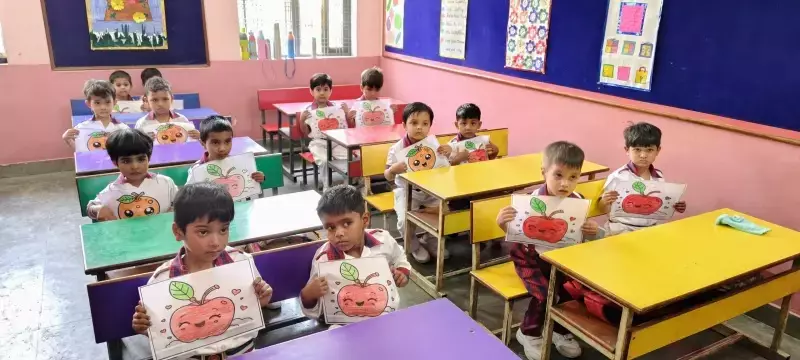
The spaces in which children learn shape their daily experience profoundly. Among the top schools near Phaphamau, the finest are those that offer clean, safe, and inspiring environments — bright classrooms, well-equipped laboratories and libraries, activity and art spaces, and safe areas for sport and play. Just as importantly, they maintain high standards of hygiene and safety, from secure boundaries to reliable transport.
Gurukul Montessori School, Prayagraj exemplifies this holistic approach, combining the exploratory, child-centred spirit of the Montessori philosophy with the structure and rigour of a strong curriculum. Its environment is designed to help children feel safe enough to be curious and confident enough to explore, reflecting a belief that the setting a child learns in matters as much as the lessons themselves.
Value the culture and character
Beyond teaching and facilities lies something harder to measure but equally important: the culture of a school. Is it warm and encouraging, or cold and rigid? Do children seem happy, confident, and respectful? Does the school nurture values, empathy, and good character alongside academic achievement?
A caring, positive culture shapes who a child becomes, not just what they know. It teaches them how to treat others, how to handle challenges, and how to believe in themselves. This intangible quality often separates a merely good school from a truly great one.
Trust your visit — and your instincts
No amount of research replaces the value of seeing a school in person. When you visit, observe carefully. Are the children engaged and cheerful? Do the staff seem calm and attentive? Is the campus clean, safe, and well maintained? Notice the atmosphere and how it makes you feel. Ask direct questions about teaching, safety, communication with parents, and daily routines, and pay attention to how openly and clearly the school responds.
Above all, imagine your own child in that environment. Would they feel welcomed, safe, and inspired? Your instincts, informed by careful observation, are a powerful guide.
Frequently Asked Questions
1. What is the most important factor in choosing a school?
The quality of teaching matters most. Well-trained, engaged teachers and reasonable class sizes shape a child's learning experience more than almost any other factor.
2. Should I choose a school based on its reputation alone?
No. Reputation is a starting point, but the right school is the one that fits your child's needs and your family's values, which you can only judge through careful observation.
3. How can I understand a school's teaching philosophy?
Ask how it balances academics with creativity and personal growth, and how it measures progress beyond marks. A clear, thoughtful answer reveals an institution that knows its purpose.
4. Why does school culture matter so much?
A warm, positive culture shapes a child's character, confidence, and values — influencing who they become, not just what they learn.
5. What should I focus on during a school visit?
Observe whether children seem happy and engaged, check the cleanliness and safety of the campus, ask direct questions, and notice how openly the staff respond.
Related Post




Recent post