
Choosing the right learning environment for your child is one of the most important decisions parents can make. Among the many educational philosophies, the Montessori approach stands out for its child-centered method that promotes independence, creativity, and critical thinking. Originating in the early 20th century, this unique system has gained global recognition for its holistic development of young learners.
If you’re considering this approach for your child, it’s important to understand its advantages and how you can prepare your little one for a smooth transition. In this article, we’ll explore the key benefits and practical steps to help your child adapt confidently to school life.
1. What is Montessori Education?
This innovative teaching system emphasizes hands-on learning, personalized instruction, and a nurturing atmosphere where children actively participate in their own growth. Unlike traditional classrooms, where teachers dictate pace and content, classrooms allow students to explore subjects freely, encouraging curiosity and self-discovery.
Educators closely observe each child’s learning style and guide them individually to promote intellectual, social, and emotional development. The environment is designed with carefully crafted materials that support the growth of both mind and body.
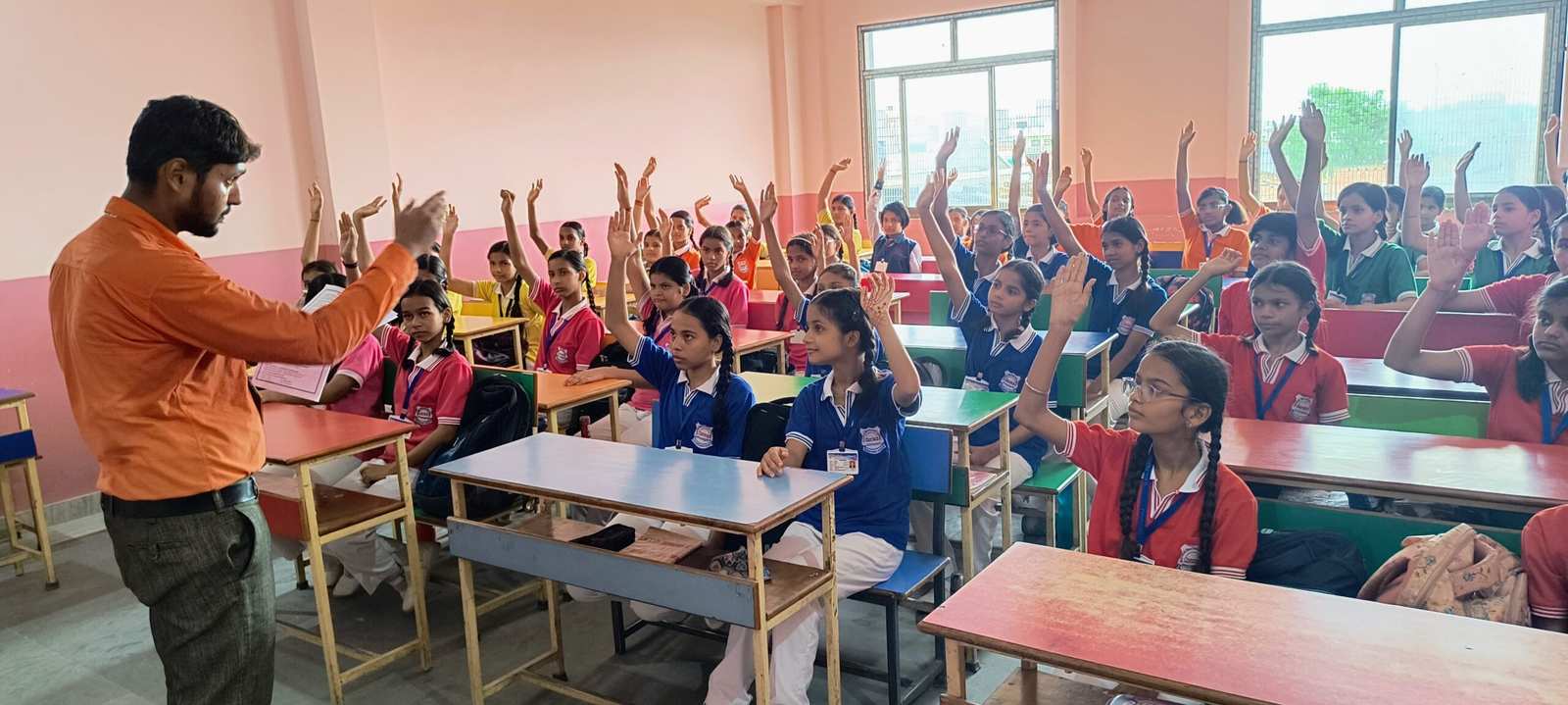
At Gurukul Montessori School, Prayagraj, this proven method is deeply integrated into daily teaching to provide every child with a balanced, engaging, and individualized learning experience.
2. Benefits of Montessori Education
a. Fosters Independence and Self-Discipline
A key advantage of this system is that it cultivates independence from an early age. Children are encouraged to make their own choices—whether selecting an activity, completing a task, or managing their time. This autonomy builds confidence and decision-making skills, while also teaching accountability and self-control that benefit them throughout life.
b. Encourages Critical Thinking and Problem-Solving
The Montessori method strengthens analytical ability by giving children the freedom to explore and find answers on their own. Interactive materials promote trial and error, helping them grasp complex ideas through practice and reflection. This process develops essential reasoning and problem-solving abilities that set the stage for lifelong success.
c. Supports Emotional and Social Development
This educational model places strong emphasis on teamwork, empathy, and communication. Children collaborate, share, and resolve conflicts respectfully, building lasting social and emotional strength. The supportive environment ensures every child feels valued and understood, nurturing confidence and emotional intelligence.
d. Promotes a Love for Learning
When children can follow their curiosity, learning becomes joyful. Gurukul classrooms encourage exploration, where students engage in subjects that interest them most. This sparks an intrinsic motivation to learn and inspires a passion for knowledge that continues beyond school years.
e. Encourages Physical and Cognitive Growth
The curriculum combines movement, coordination, and sensory engagement with mental development. Activities such as puzzles, building blocks, and sorting tasks enhance both fine and gross motor skills. Purposeful physical movement keeps young minds active, improving balance, focus, and spatial awareness.
3. How to Prepare Your Child for School
Starting school is an exciting milestone for both children and parents. To ensure a smooth beginning, preparation at home can make a big difference. Here’s how you can get started:
a. Establish a Routine
A predictable schedule helps children adjust easily to school life. Set regular times for meals, bedtime, and play. Consistency gives them a sense of comfort and helps build discipline.
b. Encourage Independent Tasks
Since independence is at the heart of this learning approach, let your child handle small responsibilities—like dressing, organizing toys, or helping with household chores. These everyday actions nurture confidence and readiness for school.
c. Foster Emotional Awareness
Talk about emotions openly. Teach your child how to identify and express feelings calmly. Practicing empathy and healthy communication at home builds emotional resilience for social interactions in school.
d. Promote Social Interaction
Arrange playdates or participate in group activities to help your child learn cooperation and sharing. These early experiences make it easier for them to form friendships and work harmoniously in group settings.
e. Introduce Learning Activities at Home
Involve your child in simple, practical exercises like pouring water, sorting objects, or basic craftwork. Such activities mirror classroom experiences and strengthen fine motor skills, focus, and curiosity.
4. Conclusion
In conclusion, the Montessori philosophy offers a nurturing environment that inspires independence, curiosity, and confidence. It adapts to each child’s pace, building a solid foundation in academics, creativity, and emotional growth.
If you’re looking for a school that provides an inspiring and balanced start, Gurukul Montessori School, Prayagraj is the ideal choice. With its focus on personalized learning, guided exploration, and holistic child development, Gurukul ensures your child is well-prepared for both academic excellence and lifelong success.
FAQs
1. What is the Montessori approach?
It’s a child-focused learning system that emphasizes hands-on activities, personalized instruction, and independence. This method develops critical thinking, creativity, and emotional awareness, allowing children to grow and learn at their own pace.
2. How is the Montessori method different from traditional education?
Unlike conventional classrooms that follow a fixed curriculum, the Montessori system gives children freedom to explore and learn through interactive materials. This flexible structure adapts to each child’s interests and developmental stage.
3. How does Gurukul Montessori School, Prayagraj apply this method?
At Gurukul Montessori School, Prayagraj, we blend Montessori principles into every area of learning. Our classrooms encourage self-directed study, creativity, and exploration, while teachers guide each child individually to build confidence and curiosity.
4. At what age can my child begin?
Children as young as 3-Year-old can start. Gurukul Montessori School offers programs for toddlers, preschoolers, and elementary students, each designed to match their academic and emotional development.
5. How can I help my child transition into school?
Create a routine at home, encourage independence, build social skills, and engage your child in simple learning activities. Staying in touch with teachers during the initial weeks also helps your child feel more comfortable.
6. Are the teachers specially trained?
Yes. All teachers at Gurukul Montessori School receive specialized Montessori training. They are skilled at observing children, understanding their needs, and guiding them with care and patience to ensure balanced development.
7. Does this learning system follow a curriculum?
Yes, it includes structured areas like practical life activities, sensory development, math, language, and cultural studies. The pace and materials are adjusted to fit each child’s ability and interests.
8. How does this approach support emotional growth?
It helps children understand and express their feelings positively while learning empathy and cooperation. They are encouraged to resolve conflicts peacefully and develop emotional balance from an early age.
9. How is progress evaluated?
Instead of standardized tests, teachers assess children through observation, feedback, and personalized progress tracking. Each child’s journey is recorded in a developmental portfolio to monitor steady growth.
10. Can children with special needs benefit from this system?
Yes. Because the program adapts to each child’s pace, it’s ideal for children with different learning abilities. Gurukul provides personalized attention to help every student achieve success.
11. What is the address of Gurukul Montessori School, Prayagraj?
Sector-G, Shantipuram, Gohri Road, Phaphamau, Prayagraj, Uttar Pradesh-211013, India.
12. How can I contact Gurukul Montessori School, Prayagraj via email?
You can write to us at:
📧 gmsallahabad@gmail.com or gmsprayagraj@gmail.com
13. What is the contact number for the school?
📞 +91-9452850822 — our team is happy to assist you with any queries.
14. What are the school timings?
- Summer: 7:20 AM – 1:30 PM
- Winter: 8:20 AM – 2:40 PM
- Office: 7:00 AM – 5:00 PM
15. Where can I find more details online?
Visit our official website: https://gurukulmontessorischoolprayagraj.com/
16. How can I find the school on Google?
Search Gurukul Montessori School, Prayagraj on Google or click the listing directly from Google Maps.
17. Is Gurukul active on social media?
Yes! Stay connected with us through:
18. What’s the best way to contact for admissions?
For admissions, visit our website or contact us directly via email or phone. Our team will guide you through the process and answer all your questions.
19. Does Gurukul Montessori School offer virtual tours or information sessions?
Yes, virtual tours and info sessions are available for parents who can’t visit in person. Contact us to schedule your preferred date and time.
20. How can I find the school holiday schedule?
Please check the yearly calendar on our website or contact the school office. We share all important dates, including holidays and special events, in advance.