
When it comes to early childhood education, the Montessoriapproach stands out as one of the most effective and enriching methods to nurture a child’s potential. This child-centered learning system focuses on meeting each child’s unique needs and abilities. By allowing children to learn at their own pace, explore their interests, and develop essential life skills, it lays a strong foundation for lifelong success. In this article, we will explore why this approach is the best start for your child and how it offers a learning experience that traditional education systems often overlook.
1. Emphasis on Individualized Learning
One of the core principles of this method is its focus on individualized learning. In such classrooms, children are given the freedom to choose their activities based on their interests, allowing them to learn at their own pace. This personalized approach ensures that each child receives the attention and resources they need to succeed. Unlike traditional classrooms, where one teacher manages a large group of students with varying learning abilities, teachers here tailor their instruction to meet each child’s needs.
At Gurukul Montessori School, Prayagraj, this individualized approach is embedded in the curriculum, ensuring that every child receives the support they need to grow academically, socially, and emotionally. Whether your child excels in math, science, or the arts, they will have the opportunity to explore their strengths and build confidence in their abilities.
2. How Gurukul Montessori School, Prayagraj Integrates the Montessori Method
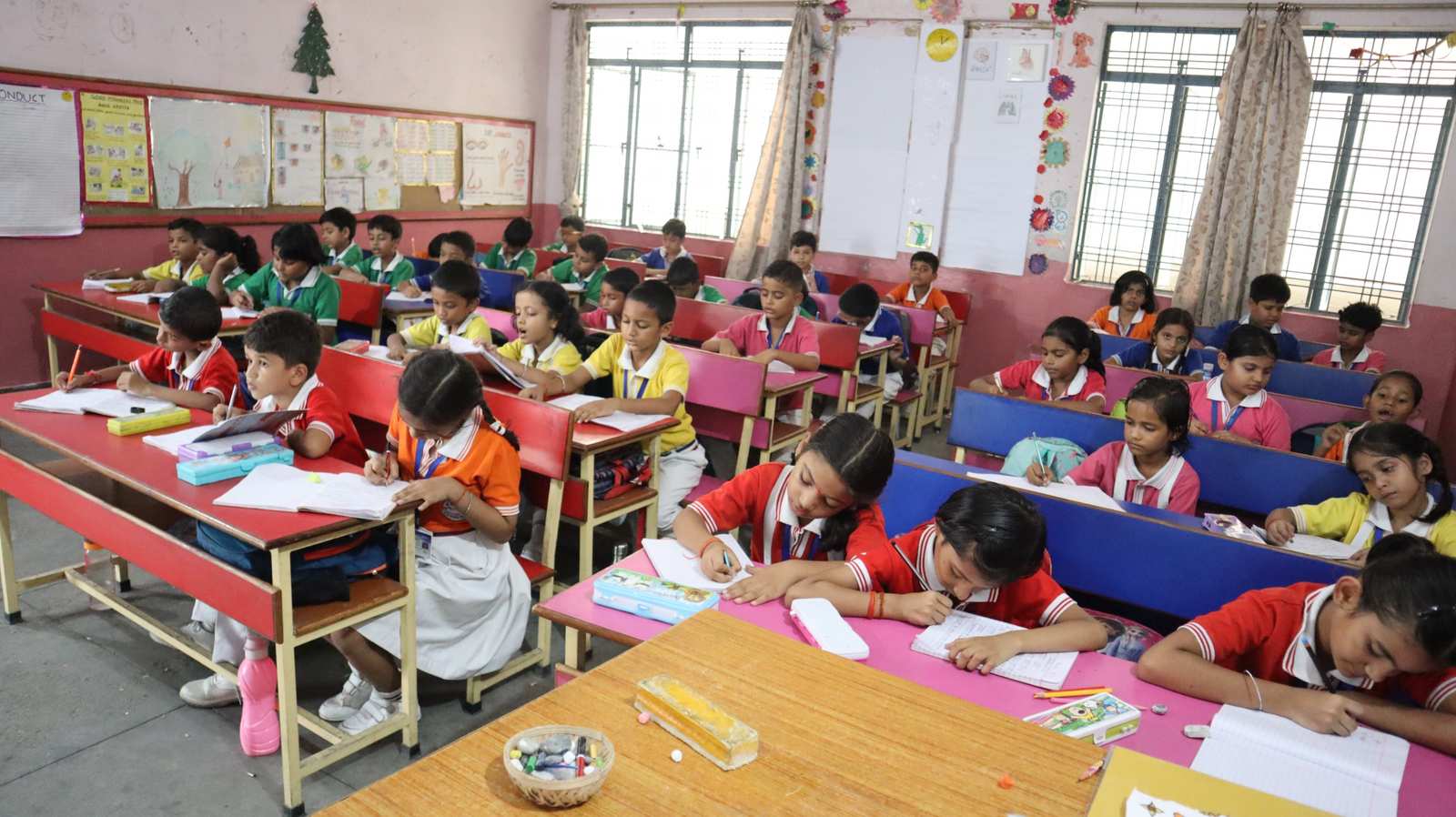
At Gurukul, this teaching method is seamlessly woven into every aspect of the curriculum. The school uses specially designed materials that encourage independent learning and hands-on experiences. Classrooms are structured to promote exploration and self-directed growth, allowing children to develop at their own pace. Teachers observe and guide each child based on their individual needs, fostering a love for learning and helping them build essential skills in a nurturing, supportive environment.
3. Development of Independent Thinking
This approach encourages independence from an early age. Children are not just passive recipients of information—they are active participants in their learning process. From choosing their activities to completing tasks independently, they develop a sense of autonomy that boosts self-esteem and decision-making skills.
It also nurtures critical thinking and problem-solving abilities. Children learn how to manage their time, organize materials, and approach challenges with confidence. These skills, often overlooked in traditional education systems, are crucial for success in later stages of life.
4. Hands-On Learning and Practical Life Skills
Learning here is not confined to textbooks. Children engage in hands-on activities that make education fun and interactive. The method uses specially designed materials that help children explore various concepts through sensory experiences. Whether it’s building a tower of blocks to understand geometry or using tools to practice fine motor skills, hands-on learning connects abstract ideas to real-world applications.
Furthermore, the school places strong emphasis on practical life skills. Children are taught how to care for their environment, work with others, and take responsibility for their actions. Lessons such as cleaning, cooking, and organizing instill discipline and self-sufficiency that last a lifetime.
At Gurukul Montessori School, Prayagraj, these practical skills are an essential part of daily learning, helping students gain valuable experience that prepares them for future challenges.
5. Focus on Social and Emotional Development
Education at Gurukul is not just about academics but also about nurturing emotional intelligence and social growth. Children are encouraged to work in groups, share resources, and engage in collaborative problem-solving activities. This helps them develop empathy, patience, and respect for others—qualities that are vital for building strong relationships.
The environment also supports emotional development by being calm, caring, and safe. Children learn how to express their feelings, resolve conflicts, and manage frustration in healthy ways. This emotional maturity lays the groundwork for a balanced and fulfilling life.
6. Respect for the Child’s Natural Development
This teaching philosophy is built on the belief that children have an innate ability to learn and grow at their own pace. The approach respects each child’s natural rhythm, allowing them to develop in a way that aligns with their unique strengths. There’s no rush to meet predetermined milestones or force children into a one-size-fits-all system.
At Gurukul Montessori School, Prayagraj, this philosophy is at the heart of learning. Every child is given the freedom and support to explore their own interests and passions. Whether your child loves art or mathematics, they are encouraged to follow their curiosity in a natural and enjoyable way.
7. A Strong Focus on Creativity
Creativity plays a key role in Gurukul’s learning environment. Children are encouraged to think independently, experiment with materials, and explore new ideas. This cultivates imagination and innovation across all subjects, from art and music to math and science.
Open-ended materials inspire students to express themselves freely, enhancing both confidence and self-expression. This creative freedom not only boosts cognitive growth but also helps children discover their individuality.
8. Long-Term Benefits
Research shows that this educational approach leads to stronger academic performance, emotional intelligence, and social adaptability. Students who begin their journey in such an environment often perform better in standardized tests, show stronger leadership skills, and display better problem-solving abilities.
Moreover, they grow into self-disciplined and compassionate individuals—ready to face life’s challenges with confidence and curiosity. These long-term benefits make Gurukul Montessori School, Prayagraj a truly exceptional choice for your child’s early development.
In Conclusion
This holistic learning approach nurtures independence, creativity, and a love for learning. By giving children the freedom to explore their interests, develop life skills, and grow at their own pace, Gurukul Montessori School, Prayagraj creates an environment where students thrive academically, socially, and emotionally—building a strong foundation for lifelong success.
FAQs
1. What makes Gurukul Montessori School, Prayagraj unique?
The school follows a child-centered, hands-on learning approach that nurtures every student’s curiosity and individuality. With a balance of academic excellence, creativity, emotional growth, and life skills, Gurukul ensures a complete developmental journey.
2. How does Gurukul Montessori School, Prayagraj integrate its teaching methods?
Each classroom encourages self-directed learning using interactive materials and guided exploration. Teachers closely observe every child’s progress and provide support tailored to their needs, ensuring steady academic and personal growth.
3. What is the teaching philosophy at Gurukul Montessori School, Prayagraj?
The philosophy centers on personalized learning, exploration, and independence. Educators inspire curiosity and guide each child’s natural development to help them become confident, capable learners.
4. What extracurricular activities are offered?
Students enjoy a rich mix of activities—sports, dance, art, music, drama, and clubs that build teamwork, leadership, and creativity beyond academics.
5. How can I enroll my child?
Parents can visit the website or contact the admissions office for details. School visits are encouraged to meet the educators and experience the learning environment firsthand.